

Quidnessett, bordered on the north by the Hunt River and on the south by Fishing Cove and the Mill Creek, has never possessed a defined village center, however it is most remarkable in that it has really had three different and distinct lives as a community. The first goes back all the way to the first half of the 1600’s when the earliest settlers in the region began to clear and farm the land. The only locus of industry was at the terminus of the Hunt River where both an iron forge and a mill existed; additionally a long-standing gristmill was located on Camp Avenue at the head of Mill Creek. During this phase of its history, Quidnessett was divided into North and South and possessed a district schoolhouse in each of these districts.
The second phase of the region’s history involved the buying up and consolidated of many smaller farms into a number of enormous “gentlemen’s estate” owned by some of the most powerful men in the region. These men include industrial tycoon Charles Davol, powerful textile barons C. Prescott Knight and Joseph Fletcher, brewer William Hanley, Providence businessmen John Carter Brown, Moses Brown Ives Goddard, and Crawford Allen, and New York City businessman Charles Welling and his wife Katherine among others. Between them these men owned virtually the entire Quidnessett area and utilized the land as their own private playground installing hunting preserves, horse farms, and even a full sized racetrack for trotters.
The final phase of Quidnessett’s history is marked by the acquisition of nearly all of South Quidnessett for development of a military base in the late 1930’s. The base, named Quonset Point/Davisville, was constructed in record time as pressure mounted for the US to enter WWII. Over the years the remaining land in Quidnessett has been developed for housing.
Text provided by Tim Cranston, Swamptown Enterprises
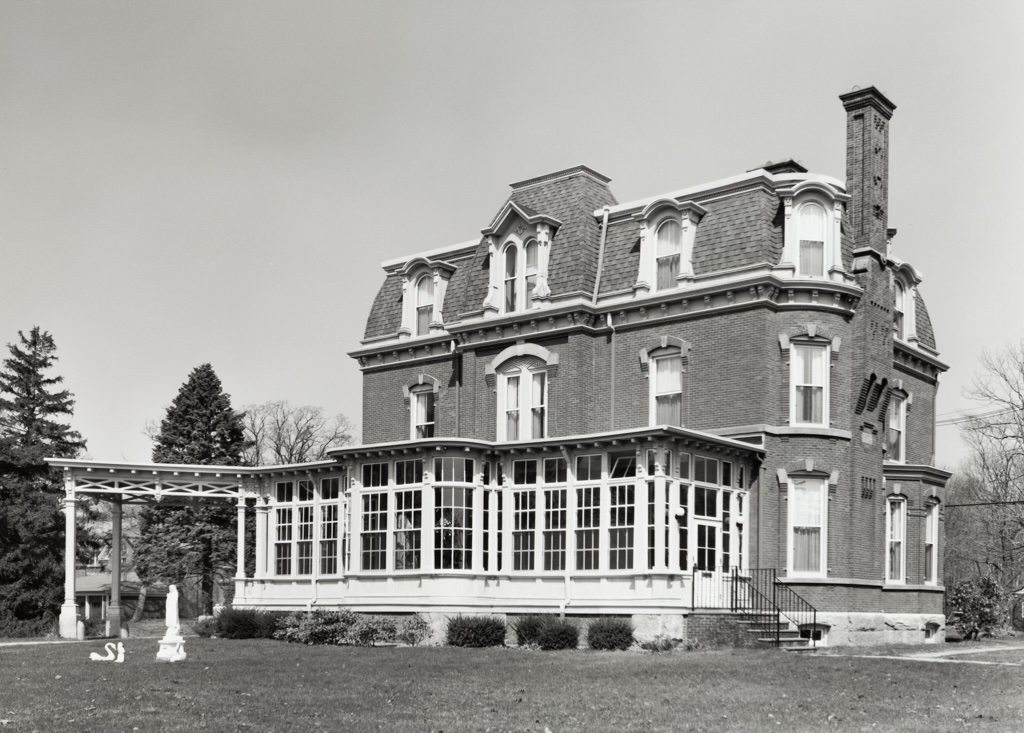
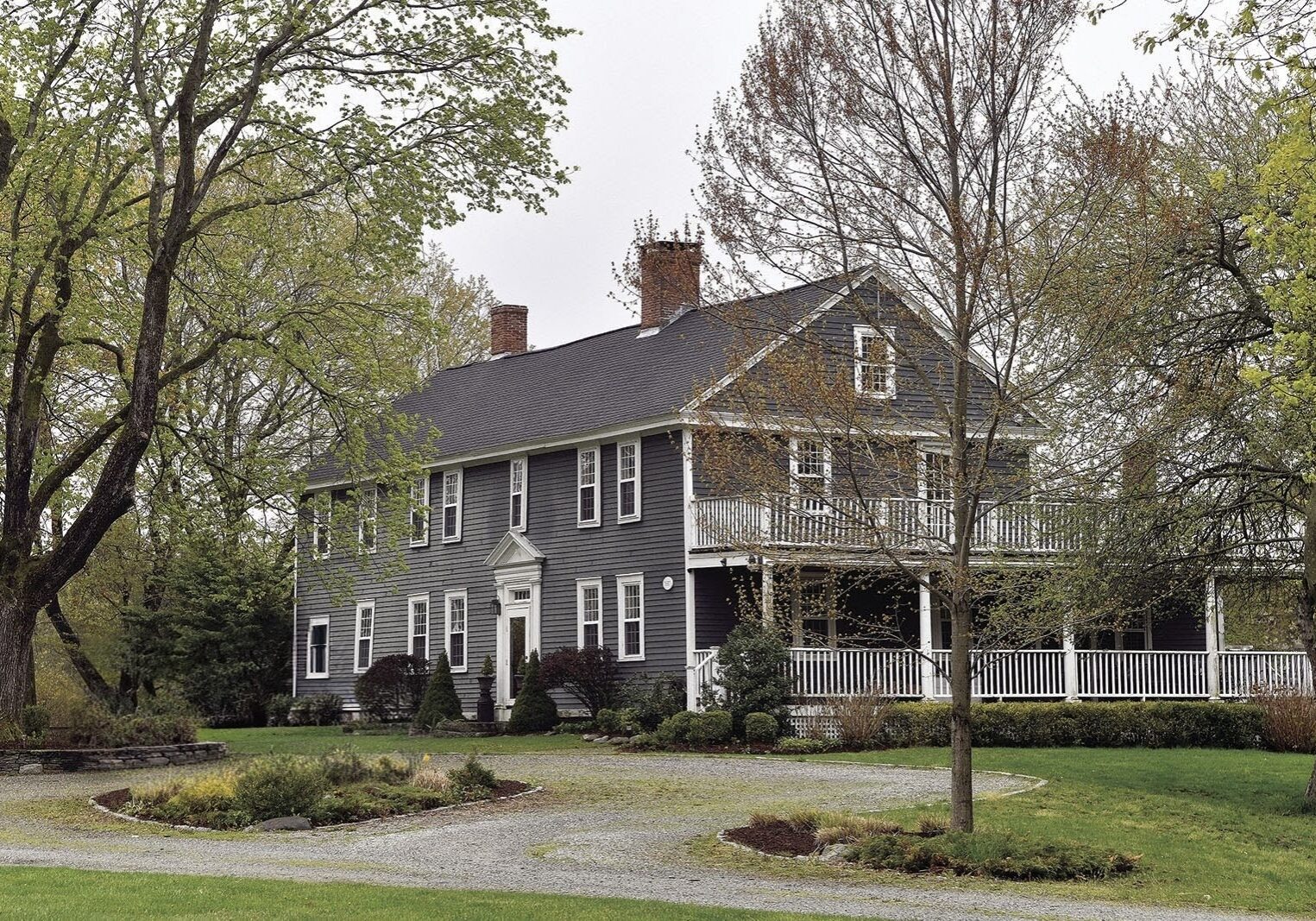
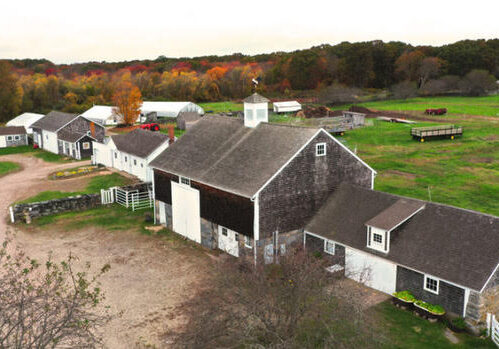
The property in the historic Village of Quidnessett North Kingstown, Rhode Island,
The property was originally part of a large tract of land owned by Samuel Wightman, who’s roots went back to the founding of the area. Valentine Whitman was in America by 1648, six years before his father came with his other four brothers. Wightman, Crawford Allen, a subsequent owner in the mid-1800s. carved out a section of land, approximately 100 acres, and gave it to his daughter, Anne, as a wedding present when she married John Carter Brown, the son of a wealthy Providence merchant, in 1869. The estate was completed in 1872 purchased the land to create a gentleman’s farm and summer retreat.
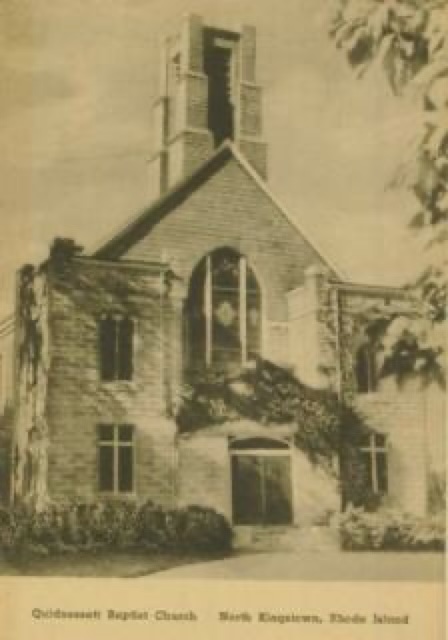
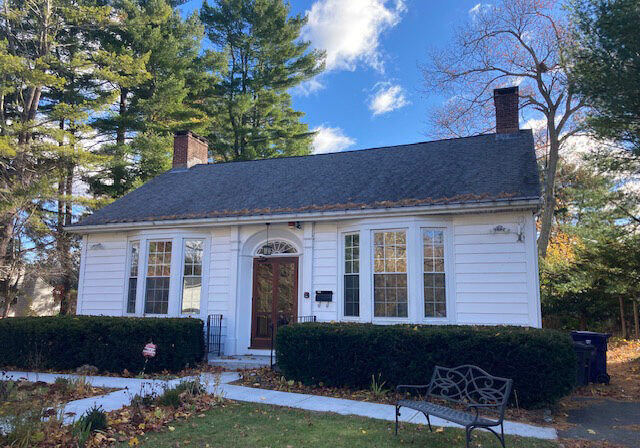
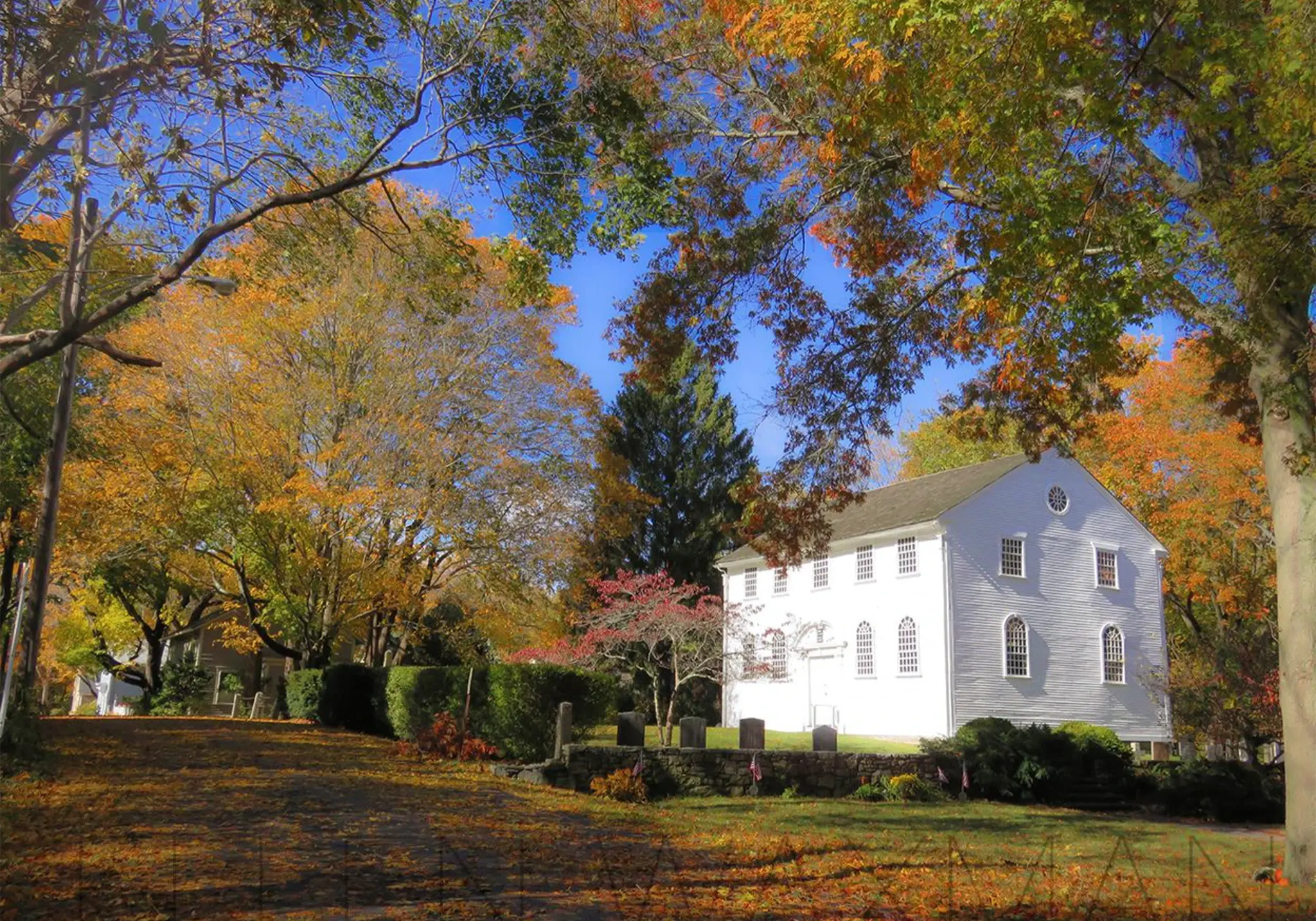
This is a picture from the historic village of Quidnessett. It is a picture of the Quidnessett Baptist Church, in North Kingstown, Rhode Island, a gathering place for believers since June 2, 1828. Its history is rooted in strong community, biblical teaching, and steady growth over nearly 200 years. Originally established as a branch, it formally became an independent church, erecting a "Union Meeting House" in 1829.
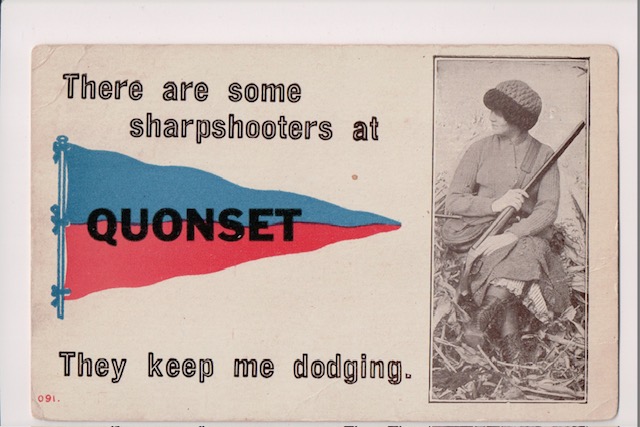
There are some sharpshooters at Quonset. They keep me dodging.
Explore Other Villages
Get Involved
Support the preservation of North Kingstown’s history.